The Cultural Elegance of Indian Groom Traditional Wedding Attire
When we talk about Indian Groom Traditional Wedding Attire, we aren’t just discussing a set of clothes; we are exploring a visual narrative of heritage, honor, and ceremonial splendor. This style of dress, characterized by the majestic Sherwani and the intricate Turban, represents a level of formality that few other global attires can match. For designers and content creators, capturing this aesthetic requires a deep understanding of its visual weight and emotional resonance. It is a style that commands respect and exudes a calm, confident dignity.
Visual Characteristics and Cultural Personality
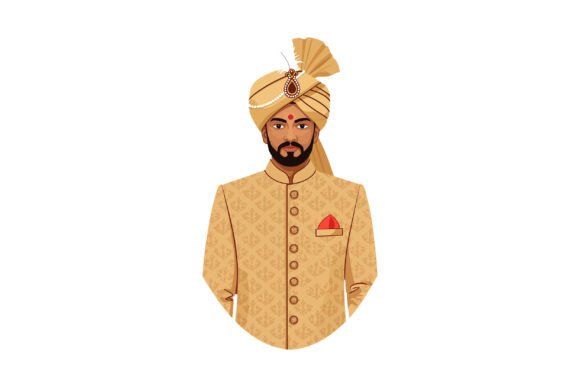
The core of this aesthetic lies in the interplay between structure and ornamentation. The Sherwani, a long coat-like garment usually buttoned to the collar, provides a strong vertical silhouette. It often features heavy embroidery, known as zari or zardozi, which introduces intricate patterns of gold or silver thread. Paired with this is the Turban, or pagdi or sehra, which adds height and a focal point of color. Together, they create a look that is both regal and deeply rooted in tradition.
For visual communicators, this attire offers a rich palette. The textures are dense and luxurious—think brocades, silks, and velvets. The personality of this attire is one of celebration balanced with solemnity. It is not loud or chaotic; rather, it is formal and poised. When incorporating this visual language into a design project, such as a wedding invitation or a cultural festival poster, the goal is to translate that inherent grace. You are working with a premium font equivalent in the world of fashion: something that feels established, high-value, and timeless.
Applications in Modern Design and Branding
How does a visual style translate into design assets? Think of the Indian Groom Traditional Wedding Attire as a metaphor for a specific type of brand identity. It works best for projects that need to convey luxury, tradition, and authenticity. If you are a designer working on packaging design for high-end Indian sweets or artisanal crafts, referencing the motifs found on a Sherwani—paisleys, mandalas, or geometric lattice work—can instantly elevate the product.
In editorial design, such as a magazine spread about destination weddings or cultural heritage, using photography or illustrations of this attire sets a specific tone. It suggests to the reader that the content is sophisticated and curated. Similarly, in web design for wedding planners or event management companies, the color palette often derived from these clothes—deep maroons, ivory, gold, and emerald—can serve as the foundation for a user interface that feels inviting and exclusive.
For those creating social media graphics for cultural events, Diwali campaigns, or wedding portfolios, the visual language of the groom's attire is incredibly effective. It provides a natural hierarchy. The intricate details of the embroidery can serve as background textures, while the bold, solid colors of the fabric allow text to stand out. It is a creative font in the sense of visual storytelling; it tells the audience exactly what kind of event or brand they are engaging with before they read a single word.
Practical Guidance for Visual Integration
Integrating such a strong cultural element into your work requires a thoughtful approach to visual hierarchy and balance. Here are some practical considerations for designers and marketers:
- Evaluating Project Fit: This aesthetic is formal. It might not suit a minimalist tech startup, but it is perfect for a boutique hotel, a jewelry brand, or a formal invitation suite. Ask yourself if the project demands a sense of ceremony.
- Typography Pairing: Just as you would pair a serif font with a sans serif font for balance, you must balance the ornate visuals of the attire. If your background features heavy embroidery patterns, your typography should be clean and legible. A modern, geometric sans-serif often pairs well with the traditional motifs, preventing the design from feeling dated.
- Color and Texture: Don't just use the colors; understand the textures. In digital design, subtle gradients can mimic the sheen of silk or brocade. In print design, consider using foil stamping to replicate the gold zari work. This attention to material quality enhances the brand perception of your client.
- Asset Selection: When sourcing assets, look for versatility. A downloadable ZIP file that includes SVG, EPS, JPG, and PNG files is invaluable. The vector formats (SVG, EPS) allow you to scale the intricate details of a Sherwani illustration for large-format printing, like a trade show banner, without losing quality. The raster formats (JPG, PNG) are ready for immediate use in digital layouts.
Enhancing Readability and Engagement
The ultimate goal of any design is communication. While the Indian Groom Traditional Wedding Attire provides a stunning visual backdrop, it must not overwhelm the message. This is where the concept of a display font comes into play. If you are using an illustration of a groom as a hero image, your headline typography needs to be strong enough to anchor the composition.
Consider the "calm mood" associated with this attire. It suggests that the layout should have breathing room. Avoid cluttering the space. Let the elegance of the illustration speak for itself. This approach improves readability and ensures that your audience engagement is focused on the key message, whether that is a wedding date, a product launch, or a brand story.
Licensing and Commercial Use
For entrepreneurs and small business owners, the practicalities of usage are just as important as the aesthetics. When using illustrations or design assets inspired by this traditional attire, always verify the licensing. Most standard licenses cover use in logo design, web design, and print materials for a single client or brand. However, if you are a crafter creating physical goods for sale—like printed t-shirts or mugs featuring the groom illustration—you may need an extended commercial license. Always read the terms to ensure your use of these design assets is compliant and professional.
In summary, the Indian Groom Traditional Wedding Attire is more than just a costume; it is a design system in itself. It offers color, pattern, and texture that can transform a standard project into something memorable and culturally rich. By treating these visuals with the same respect and strategic thinking you would apply to a premium font or a core brand color, you can create work that resonates deeply with a diverse and appreciative audience.